

Off on a winter break? Check our winter travel advice before you go
Remember to think ahead when planning a winter break
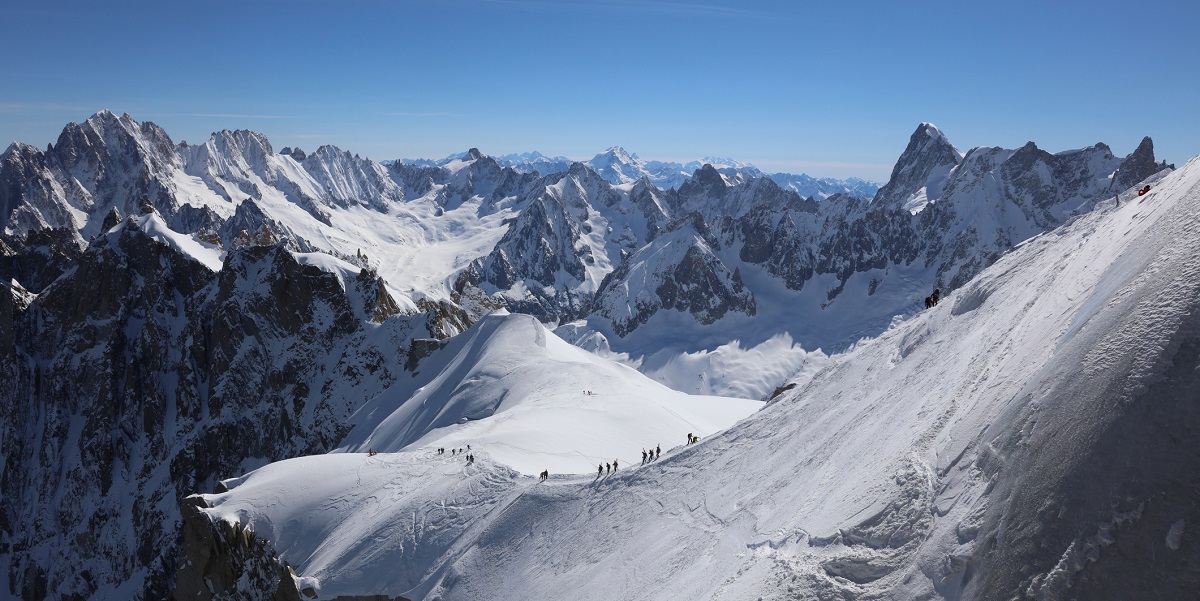
As winter sets in, if you are thinking of heading abroad for a sunny getaway or winter sports holiday, see our Country Information pages for specific health advice and vaccine recommendations for your destination. If you need vaccines, malaria tablets or travel health advice, see your GP, practice nurse, pharmacist or a travel clinic. Ideally, it's best to do this four to six weeks before you go, but last-minute advice is still very helpful. Safe travels!
Advice for travellers
Before you go
Check Foreign Commonwealth and Development Office (FCDO) advice safety and security, travel warnings and entry requirements for all your destination/s.
Whatever your travel plans, comprehensive travel insurance is essential for all travellers.
Apply for a free UK Global Health Insurance Card (GHIC) or check your existing GHIC hasn't expired. Remember a GHIC only gives you access to basic emergency care and you still need your own travel insurance.
Cruises – are a popular winter sun choice. Make sure that you know all the stops your ship will make, as this may affect the travel health precautions you need.
Winter sports holiday – advice is available from FCDO including what to do before you travel and staying safe at your resort.
First aid kit – prepare and carry your own kit and be familiar with the contents, making sure it suits your destination and activities.
Remember to take extra supplies of any medicines you take; see our factsheet on travelling with medicines.
While you are away
- Stay safe – particularly around balconies and water and remember to always supervise children.
- Prepare for a winter sports holiday by making sure you have the right equipment, skills and knowledge to reduce your risk of accidents.
- Food and water – take care with eating and drinking, follow basic hygiene rules. If you develop diarrhoea, keep hydrated and get prompt medical advice if your diarrhoea has blood and/or you have a fever.
- Drink spiking with drugs, alcohol or methanol is a risk worldwide – be alert when drinking socially, especially in bars and clubs. Be aware of the signs of methanol poisoning and get urgent medical help for anyone who may have drunk methanol – it could save their life.
- Sun protection – enjoy the sun safely by using shade, protective clothing, sunglasses and sunscreen to prevent burning and reduce your risk of skin cancer.
- Protect yourself from insects, mosquitoes, and ticks, as their bites can cause skin irritation and, in some regions, spread diseases such as malaria, yellow fever, dengue, chikungunya, and the Zika virus.
- Safer sex – be aware of your risk of sexually transmitted infections, carry condoms and practice safer sex.
- Rabies – avoid contact with all animals, including pets and domestic animals, and bats. Know what to do if you are bitten, scratched or licked by an animal and get urgent medical help.
See our general travel health advice for more information.
When you get home
Most people have a safe and enjoyable trip, but if you develop symptoms like fever, flu-like illness, prolonged or bloody diarrhoea, abdominal pain or a rash, during or after travel, get prompt medical attention.
Symptoms of malaria can appear up to a year after travel. If you are taking malaria tablets, remember you must complete the course, as recommended, when you get home.
Advice for health professionals
Health professionals should contact the local microbiology, virology or infectious diseases consultant for advice for travellers with fever/acute illness. Further advice is available for health professionals from the Imported Fever Service.
Explore more
Falsified rabies vaccine: India
Falsified rabies vaccine was reported in India in 2025
Updated: 26 February 2026Shigella and Salmonella cases reported in travellers returning from Cape Verde
A food and water hygiene reminder
Updated: 25 February 2026Marburg virus disease in Ethiopia
On 26 January 2026, the Ministry of Health of Ethiopia declared the end of the Marburg virus disease outbreak
Updated: 05 February 2026ABTA Destinations to Watch report published
ABTA has launched its Destinations to Watch report for 2026
Updated: 25 February 2026Mefloquine shortage
Shortage of 250mg mefloquine (Lariam) antimalarial tablets in the United Kingdom (UK) until the end of March 2026
Updated: 30 January 2026